Denmark's top court upholds 'ghetto law' evictions of non-Western tenants
Denmark's Supreme Court ruled that evicting non-Western tenants under the 2018 'ghetto law' is not discriminatory, backing the government's tough immigration policy.
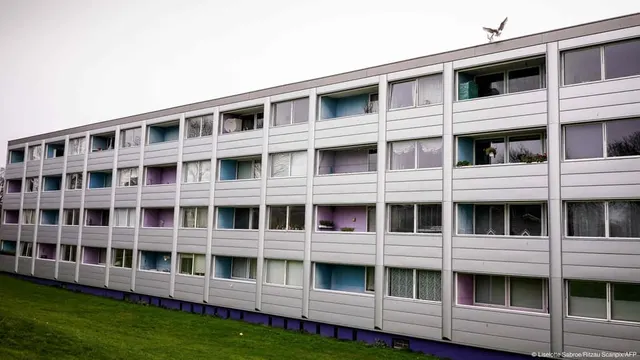
Denmark's Supreme Court on Monday ruled that the eviction of 91 tenants, mostly non-Western, in Helsingor under the 2018 'ghetto law' was not discriminatory. The court rejected an appeal by seven families, upholding a 2022 lower court decision.12
The law allows authorities to relocate residents from areas where more than half are 'non-Western' and requires social housing estates to rent at least 60% of homes at market rates by 2030. The government says the aim is to promote integration.12
The Supreme Court found the criterion of 'immigrants and descendants from non-Western countries' to be neutral and not based on ethnicity, noting both groups include people of many ethnic origins. Housing Minister Jacob Mark welcomed the ruling, saying it 'strengthens security, social cohesion and integration.'12
Tenants' associations estimate 11,000 people will need to be relocated under the law. The plaintiffs' lawyer argued that 'non-Western' is a proxy for ethnic origin, and one plaintiff said he was disappointed.2
The Danish ruling diverges from a top EU court decision last year that found the law could amount to discrimination. The EU court left the final say to national courts.12
«The Supreme Court notes that applying the criterion of the law involves dividing people into two groups [immigrants and descendants from non-Western countries, and all other persons].»
🤖 Automatically compiled from: 2 sources. Superscript numbers link to the originals. May contain inaccuracies.